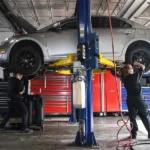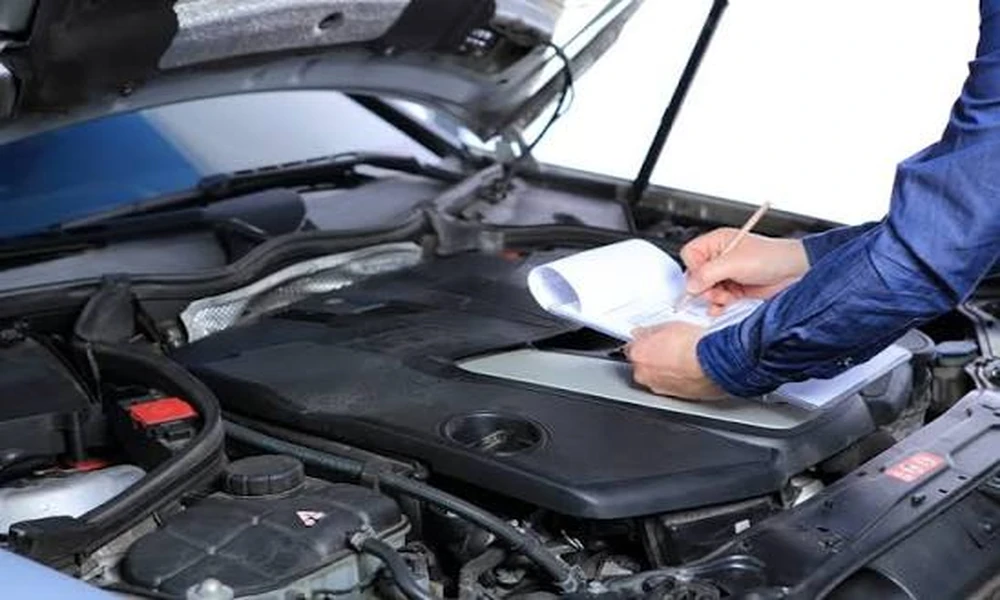

It is a common habit for vehicle owners to view maintenance as a task to be checked off only when something stops working. The assumption is that if a vehicle is running, it is in good health, and that the best time to seek auto repair in Bismarck, ND is the moment a light illuminates on the dashboard or a strange sound disrupts a commute. The reality, however, is that waiting for a vehicle to signal a failure often turns a manageable service visit into a significantly more involved and costly repair.
The difference between reactive repairs and proactive care
Most drivers naturally prioritize urgent concerns. When a vehicle will not start or a brake pedal feels unresponsive, the need for professional help is undeniable. Yet, this reactive approach ignores the mechanics of how modern machines function. Vehicles are composed of interconnected systems; when one component experiences excessive wear, it frequently places additional strain on neighboring parts.
For drivers navigating the local roads, especially those who rely on their vehicles through varying seasonal conditions, the cumulative effect of small, unaddressed issues can be substantial. A minor suspension component that is loose might seem like a negligible concern, but it can eventually lead to uneven tire wear and alignment problems. By reframing the maintenance cycle from “fix it when it breaks” to “prevent the breakdown,” vehicle owners can often extend the reliable lifespan of their transportation.
Why local driving conditions influence service needs
The environment in which a vehicle operates plays a meaningful role in how components age. Residents of the area often find that their vehicles are subject to a range of atmospheric shifts, which can impact everything from battery performance to the integrity of rubber seals and fluid viscosity.
When considering truck repair in Bismarck, owners should be aware that heavier vehicles often face accelerated wear on braking systems and drivetrain components due to the demands of towing or hauling. These vehicles require a different perspective on service intervals compared to lighter passenger cars. A thoughtful maintenance plan takes into account the specific usage patterns of the vehicle-how often it is driven, what types of loads it carries, and the conditions it typically faces. Instead of following a generic schedule, discussing these factors with a service professional allows for a more tailored approach to identifying when fluids should be changed or when wearable parts should be inspected for signs of early fatigue.
Recognizing the signs of developing issues
While professional diagnostic tools are essential for identifying complex problems, owners can often spot the early indicators of trouble long before a system fails. Pay attention to changes in how the vehicle handles, such as vibrations in the steering wheel or a sense that the vehicle is pulling to one side. Listen for subtle changes in the rhythm of the engine or the way the transmission shifts. These subtle cues are the vehicle’s way of communicating that a component is starting to deviate from its baseline performance.
Evaluating service options with transparency in mind
When the need for auto repair in Bismarck, ND arises, the search for a service partner should focus on clarity and communication. A high-quality provider is typically one that prioritizes explaining the “why” behind their findings. When a technician identifies a worn part, they should be able to show the owner what they are seeing and explain the mechanism behind the recommended repair.
Ask questions during the evaluation process. What is the expected outcome of the repair? Is this a part that is nearing the end of its typical lifespan, or is this an isolated failure? A professional service provider understands that their role is to act as an advisor, helping the owner make informed decisions that balance immediate safety with long-term reliability.
Transparency also extends to the repair process itself. Reliable shops are generally willing to discuss their diagnostic approach. If they recommend a specific maintenance path, they should be able to connect that recommendation to the goal of preventing future issues. This relationship is built on trust, which is established when the provider treats the customer’s vehicle as a long-term project rather than a series of one-off transactions.
How to approach truck repair in Bismarck for longevity
For those managing heavier duty vehicles, the stakes for consistent maintenance are often higher. Truck repair in Bismarck often involves more than just routine oil changes; it involves maintaining the integrity of frame, suspension, and specialized drivetrain components that are essential for heavy-duty operation.
The most effective way to manage these systems is through consistent, documented inspections. By maintaining a clear history of what has been serviced and when, owners create a roadmap for the vehicle’s future. This allows for scheduled, proactive replacements of parts that are known to have a finite lifespan, rather than dealing with the aftermath of an unexpected component failure on the side of the road.
Ultimately, the goal is to shift the mindset from viewing a service center as a place of emergency to viewing it as a resource for sustained operational health. Whether you are driving a daily commuter or a vehicle designed for heavy work, the mechanical health of your vehicle is directly linked to the attention it receives before a problem becomes unavoidable.
Reframing the philosophy of vehicle maintenance
The initial assumption that a vehicle only requires attention when a visible problem arises is one of the most common oversights in automotive care. In practice, the most successful vehicle owners are those who view maintenance as a continuous, dynamic process. They understand that by the time a breakdown occurs, the opportunity for a simple, low-cost solution has likely passed.
True reliability is rarely the result of luck. It is the outcome of regular, informed attention to the mechanical needs of the vehicle. By choosing to address potential issues early, working with knowledgeable professionals who value communication, and tailoring service intervals to the realities of local use, drivers can enjoy a more dependable driving experience. The difference between a vehicle that consistently serves its owner and one that frequently requires emergency intervention often comes down to the simple decision to act before the next sound, vibration, or warning light demands it.