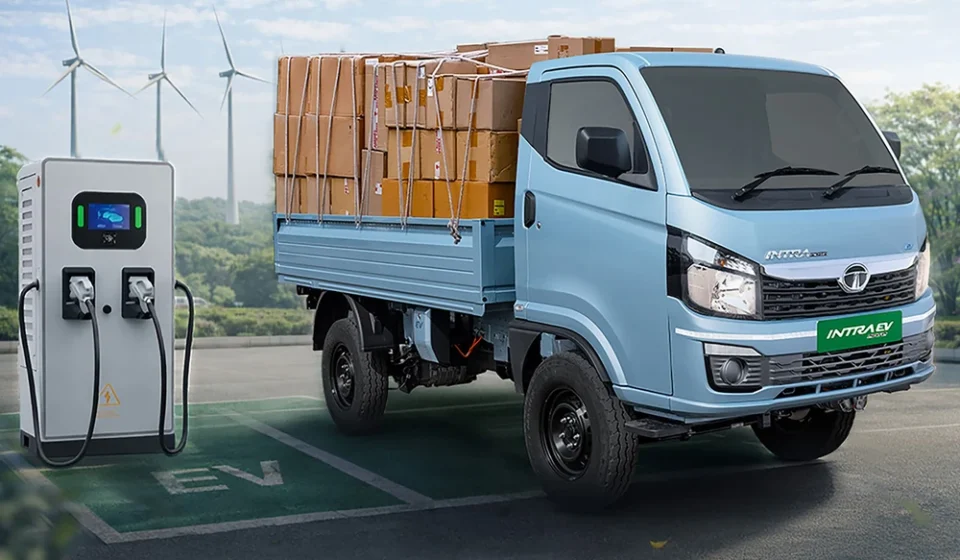

Companies weighing up an ev truck singapore purchase often frame the decision mainly around the vehicle itself, comparing range and price against a diesel equivalent and treating the rest as a formality. That framing misses several operational factors that determine whether the switch works, from charging infrastructure to how a vehicle’s weight class affects where it can be used. Working through those factors before ordering avoids a vehicle that looks right on paper but fits poorly into daily operations.
The Switch Is Rarely About the Vehicle Alone
A vehicle purchase is the visible part of the decision, but the harder questions sit around it: where the vehicle will be charged, which routes it will actually run, and whether drivers and depot staff are ready for a different daily routine. Companies that treat the vehicle as the whole decision sometimes complete the purchase only to discover the surrounding operational changes needed more lead time than the vehicle itself did. Mapping those questions out earlier avoids that gap.
Matching Range and Payload to Actual Routes
A compact electric truck suited to short urban delivery routes will not necessarily suit a longer regional run without checking range under real load conditions, since manufacturer figures are typically measured under conditions lighter than daily use. Payload capacity also interacts with battery weight in a way that differs from a diesel equivalent, so a straight tonnage comparison can be misleading. Testing a shortlisted model against actual route data, rather than published specifications alone, gives a more reliable basis.
Charging Infrastructure Needs Planning Before Delivery
Depot charging capacity, available electrical supply, and how many vehicles need to charge overnight all need confirming before a vehicle arrives, since retrofitting charging infrastructure after delivery causes delays a vehicle sitting idle does nothing to offset. A single vehicle trial can sometimes run on existing supply, but a wider fleet switch usually requires an electrical upgrade that takes longer to arrange than the vehicle order itself. Starting that conversation with a facilities team early keeps both timelines aligned.
Weight Class, Licensing and Where Incentives Apply
A vehicle’s classified weight affects which licences drivers need, where it can park, and which zones it can access, and this does not always map onto the diesel model a company is replacing. Checking classification alongside the cves rebate terms is worth doing at the same time, since both depend on how the vehicle is registered and can affect each other’s outcome. Confirming both together, rather than treating classification as a later formality, avoids a mismatch discovered only once the vehicle is in service.
Comparing Running Costs Against a Diesel Equivalent
Running cost comparisons should include electricity cost per kilometre, reduced servicing needs relative to a diesel engine’s more numerous moving parts, and any difference in insurance premiums, not fuel price alone. Electric trucks typically cost less to run per kilometre once these factors are included, though the gap narrows or widens depending on local electricity tariffs and how heavily the vehicle is used. Building a running cost model around actual expected usage gives a more dependable comparison.
Battery Warranty and Long Term Ownership
Battery warranty terms vary between manufacturers and are worth reading as closely as the vehicle warranty itself, since battery degradation over several years of daily use is the main long-term cost uncertainty in an electric commercial vehicle. A longer warranty period reduces that uncertainty and is worth weighing against a marginally lower price on a competing model with shorter cover. Asking specifically what is and is not covered under degraded performance clarifies what the warranty actually protects.
Driver Familiarity and Operational Adjustment
Drivers accustomed to a diesel vehicle typically adapt quickly to an electric equivalent’s controls, but daily habits around planning charging stops and route timing take longer to settle into routine than the driving itself. A short familiarisation period before a vehicle enters full daily service tends to smooth out early scheduling friction that would otherwise show up as delays in the first few weeks. Involving drivers in route planning around charging needs tends to produce a more workable routine sooner.
Maintenance Support and Parts Availability
Servicing an electric commercial vehicle draws on a different set of technical skills and parts to a diesel equivalent, so confirming local servicing capability before ordering matters as much as it does for any other vehicle purchase. A supplier without established local support may still be workable for a lower-usage vehicle, but the trade-off is more significant for one in daily frontline use. Asking directly about technician availability and parts lead time avoids relying on assumptions that turn out optimistic.
Looking Beyond the Single Vehicle Purchase
A single vehicle purchase is often the easiest part of a wider fleet decision, and companies planning a broader switch benefit from reviewing the fuller commercial vehicle grant singapore picture alongside infrastructure and operational planning, rather than treating each vehicle as an isolated purchase. That wider view also makes it easier to negotiate with suppliers on a multi-vehicle basis, since infrastructure costs can sometimes be shared across several vehicles in a way a single purchase cannot. Planning at the fleet level from the outset tends to produce a more coherent long-term outcome.
Deciding Whether the Timing Is Right
There is rarely a single correct moment to switch, but a company that has mapped routes, charging capacity, incentive terms and servicing support beforehand is in a far stronger position to judge its own timing than one working from a general sense that electric vehicles are becoming more common. A well-planned switch, even a gradual one, tends to surface operational gaps early enough to fix before they affect a wider rollout.