
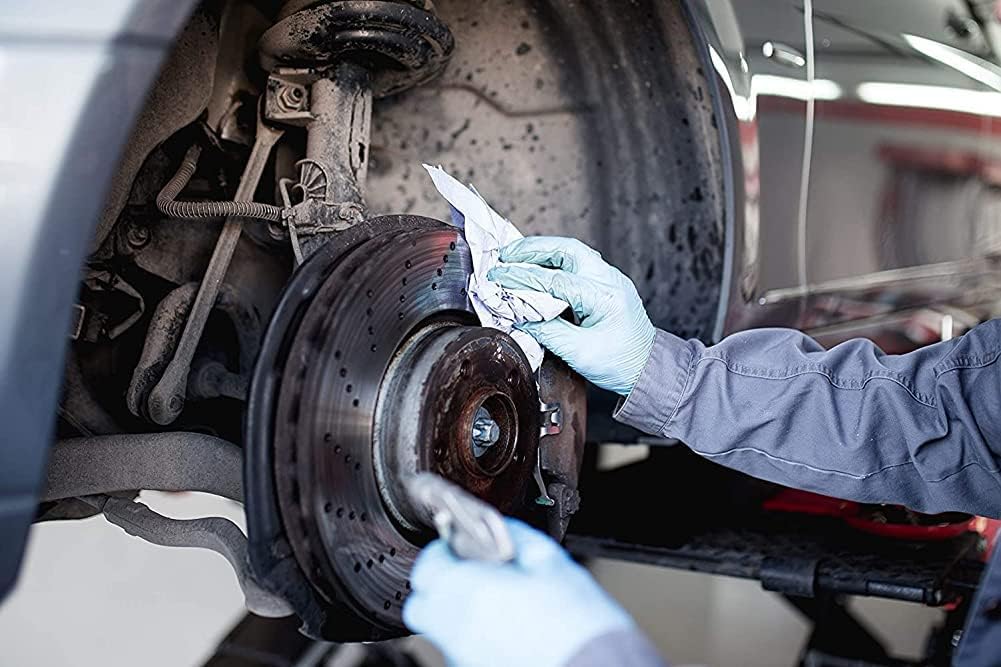

The Science Behind Non-Chlorinated Brake Cleaner
What Makes Non-Chlorinated Cleaner Stand Out?
Non chlorinated brake cleaners have gained significant traction in automotive maintenance due to their versatility and effectiveness in cleaning braking components without the environmental and health concerns posed by chlorinated variants. Unlike chlorinated brake cleaners, which contain chemicals like tetrachloroethylene and trichloroethylene, non chlorinated options typically use solvents like naphtha or acetone. These solvents are highly efficient at cutting through grease and grime, offering a powerful solution while being less harmful to both the environment and users. One of the standout features of non chlorinated cleaners is their rapid evaporation rate, which ensures that brake components are not left with residual cleaner that might negatively affect brake performance. This characteristic contributes to their growing preferability among professionals and DIY enthusiasts alike. Moreover, the non-chlorinated formula significantly reduces the risk of fire, making it a safer choice in environments where flammable materials are present.
The Chemistry of Brake Cleaning: Why It Matters
The chemistry behind brake cleaning agents is crucial to understanding their effectiveness and safety. Brake components, particularly discs and pads, accumulate dust, oil, and other contaminants that impede performance and can lead to excessive wear. Non chlorinated brake cleaners operate through a combination of powerful solvents that dissolve these contaminants. The effectiveness of the solvents used is primarily due to their molecular structure, which allows them to interact with various residues on a molecular level. For instance, non chlorinated formulas often include isopropyl alcohol, which acts as an effective degreaser, breaking down oils and greases that are typical in automotive systems. Furthermore, these products are designed to evaporate quickly to prevent the potential for misting during application, allowing for an efficient cleanup process. Understanding these properties not only demonstrates why non chlorinated cleaners are effective but also highlights their applications in various mechanical and industrial environments beyond automotive maintenance.
Environmental Impact: A Cleaner Choice
With an increasing emphasis on sustainability and environmental awareness, non chlorinated brake cleaners have emerged as a more eco-friendly alternative. Chlorinated solvents, while effective, pose significant threats to both air and water quality due to their potential to contribute to ozone depletion and contamination of groundwater. In contrast, non chlorinated cleaners are less detrimental to air quality and do not persist in the environment as long as their chlorinated counterparts. Additionally, government regulations have increasingly curtailed the use of harmful VOCs (volatile organic compounds) found in many chlorinated products, pushing manufacturers to innovate and create non chlorinated alternatives. Many non chlorinated brake cleaners adhere to stringent environmental regulations while still providing excellent cleaning performance. By opting for these products, users not only ensure better health safety for themselves but also contribute to a positive impact on the environment, making it a conscious choice for automotive maintenance.
Practical Applications in Automotive Maintenance
Beyond Brakes: Unlikely Uses for Brake Cleaner
While the primary function of non chlorinated brake cleaners is to clean braking systems, their utility extends far beyond this singular application. These versatile solvents can be used effectively in various contexts within automotive maintenance. For instance, they serve as excellent degreasers for engine blocks, transmission housings, and other metal components burdened with old oil and grime. Their ability to dissolve tough residues makes them ideal for preparing surfaces for painting, ensuring that contaminants do not compromise the quality of the finish. Moreover, non chlorinated brake cleaners can also be useful in cleaning electrical parts, such as spark plugs and metal connectors, without leaving harmful residues that might interfere with electrical connections. This feature allows for enhanced performance and reliability of ignition systems. Beyond automotive applications, many users have reported success in cleaning various household items, tools, and machinery parts, underscoring the brake cleaner’s all-purpose utility.
Step-by-Step Guide to Effective Brake Cleaning
To achieve the best results while using non chlorinated brake cleaner, it is essential to follow a systematic approach. Here’s a comprehensive step-by-step guide:
- Gather Necessary Tools: Before starting the cleaning process, ensure you have the non chlorinated brake cleaner, a scrub brush or cloth, and protective gear such as gloves and goggles.
- Safety Precautions: Park the vehicle in a well-ventilated area and make sure the engine is completely cool. Wear gloves to protect your skin and goggles to shield your eyes from any splashes.
- Access Brake Components: Safely lift the vehicle using a jack and secure it with jack stands. Remove the wheel to access the brake components.
- Apply Brake Cleaner: Shake the can well and spray the non chlorinated brake cleaner directly onto the braking components, including the rotor and pads. Allow it to sit for a few moments so the solvent can penetrate and dissolve contaminants.
- Scrub Residues: Use a scrub brush or clean cloth to remove any stubborn dirt or residue from the surface. For best results, apply more brake cleaner as needed.
- Wipe Down Surfaces: After scrubbing, wipe down the cleaned areas to remove any remaining cleaner and loosened dirt.
- Reassemble and Test: Once everything is cleaned and completely dry, reassemble the brakes, replace the wheel, lower the vehicle, and test the brakes to ensure proper functionality.
Regular brake cleaning as part of routine maintenance can improve longevity and ensure optimal performance, helping you avoid costly repairs in the future.
Safety First: Best Practices While Using Brake Cleaner
When using non chlorinated brake cleaners, safety should always be a priority. Incorporate the following best practices to minimize potential hazards:
- Ventilation: Always use brake cleaner in well-ventilated areas. If you’re working inside a garage, consider using blowers or open doors to improve airflow.
- Protective Gear: Wear chemical-resistant gloves, eye protection, and, if necessary, a dust mask to protect yourself from fumes. Although non chlorinated cleaners are generally safer, they can still emit irritating vapors.
- Follow Instructions: Adhere strictly to the manufacturer’s instructions on the product label. Each formulation may have specific guidelines that enhance safety and effectiveness.
- Avoid Heat Sources: Keep brake cleaners away from flames, sparks, and other heat sources, as flammable vapors may be present, albeit less so than with chlorinated variations.
- Proper Storage: Store all cleaning products in a cool, dry place, away from direct sunlight and heat. Ensure they are kept out of reach of children and pets to prevent accidental misuse.
By adhering to these safety practices, users can effectively reduce risks associated with brake cleaning while promoting a safe working environment.
Comparing Non Chlorinated and Chlorinated Brake Cleaners
Performance Metrics: Which One Reigns Supreme?
When comparing non chlorinated to chlorinated brake cleaners, performance metrics are often a significant concern for users. Non chlorinated versions are celebrated for their rapid evaporation rates, which minimize the likelihood of moisture trapping on sensitive brake parts. This feature significantly enhances braking performance and reduces brake fade during intense driving conditions. Chlorinated cleaners, while effective at dissolving tough residues, may leave behind residues themselves, which can affect the overall performance of the braking system. Furthermore, there are concerns regarding the thermal stability of chlorinated products, which can lead to structural imperfections if they are not thoroughly removed before reassembly. That said, non chlorinated cleaners can compete in terms of grease-cutting ability, thanks to advanced formulas that leverage multiple solvents. Users may find that many non chlorinated options rival chlorinated products in terms of their ability to remove contaminants quickly and effectively, offering an autonomous solution to brake maintenance without the adverse side effects.
Cost Analysis: Are You Getting What You Pay For?
Cost is an important consideration in any purchase decision, especially for consumers looking to maximize value in their maintenance supplies. Generally, non chlorinated brake cleaners may carry a slightly higher price point than their chlorinated counterparts; however, this price difference often translates to better long-term value. The greater efficiency and safety profile found in non chlorinated products can outweigh initial costs, particularly when considering long-lasting performance benefits attributed to cleaner brake systems. When evaluating specific brands and products, it’s crucial to analyze per-use costs rather than just comparing initial prices. Some non chlorinated formulas might require less product usage per application, resulting in lower operational costs over time. Additionally, the health and environmental savings from using non chlorinated products can provide a compelling argument for their selection, adding significant value beyond mere monetary expenditure.
Sustainability Considerations: Making the Eco-Friendly Choice
In recent times, consumers have become increasingly discerning about the environmental impact of their purchases. Non chlorinated brake cleaners emerge as leaders in sustainability due to their reduced emissions and lower toxicity levels compared to chlorinated options. The essential reason behind this lies in their composition, where safer solvents replace traditional harmful chlorinated compounds, allowing for effective cleaning without ecological harm. Moreover, opting for non chlorinated cleaning agents often aligns with broader efforts to reduce an individual’s carbon footprint. The regulatory environment abounds with guidelines advocating for products with lower toxicological profiles. Selecting non chlorinated cleaners not only complies with these regulations but also promotes a more sustainable approach to automotive maintenance. Users can confidently invest in non chlorinated products, knowing they are contributing positively to both their vehicle longevity and environmental preservation.
Common FAQs and Expert Tips on Non Chlorinated Brake Cleaner
How Often Should You Use Brake Cleaner?
The frequency of brake cleaner use often hinges on driving habits, environmental conditions, and vehicle maintenance practices. For most standard driving conditions and routine vehicle use, a deep cleaning of brake components using non chlorinated brake cleaner every 6 to 12 months is generally adequate. However, if you frequently drive in harsher conditions-like off-road, in heavy traffic, or in urban environments with significant brake dust exposure-more frequent cleaning may be warranted. Moreover, utilizing grease traps or dust covers can significantly reduce the buildup of grime, extending the intervals between deep cleaning. Therefore, users should regularly check their brakes for performance issues, and if there is noticeable squeaking, reduced response time, or irregular wear patterns, consider using brake cleaner immediately.
Expert Opinions: What Professionals Say
Automotive professionals widely advocate for the use of non chlorinated brake cleaners, praising their cleaner operation and reduced toxicity. Many professionals emphasize the importance of using non chlorinated options when performing brake jobs. As they do not leave harmful residues, they are preferred in situations where reliability and braking efficiency are paramount. Experts also recommend staying updated on manufacturers’ specifications, as recent technological advancements in brake cleaner formulations have led to products designed for specific types of vehicles and brake materials. Furthermore, engaging with brands that prioritize sustainable practices can lead to better product selections and breakthroughs in automotive maintenance.
DIY or Pro? When to Reach Out for Help
While many automotive enthusiasts can handle brake cleaning tasks themselves, there are instances where professional intervention might be necessary. If you encounter complicated brake systems, experience problems beyond mere cleaning, or feel uncertain about safety measures, it is prudent to consult a professional mechanic. Additionally, users should consider their experience level with brake components. The knowledge gained from attempting to clean and maintain brakes might be sufficient for those familiar with automotive systems. In contrast, those less comfortable should lean toward professional services to ensure both their safety and the integrity of their brakes. In conclusion, understanding the benefits and applications of non chlorinated brake cleaner is vital for effective automotive maintenance. With its effective cleaning abilities, environmental advantages, and versatile applications, users can confidently invest in non chlorinated options that meet their needs while contributing positively to a safer and more sustainable automotive landscape.


