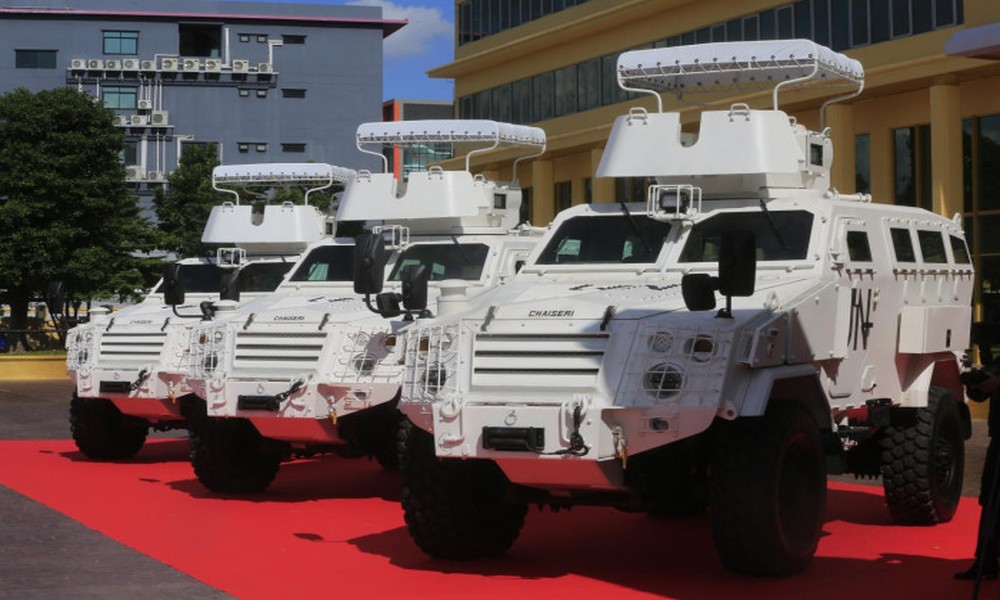

In a world where security risks shift as fast as the skyline of Bangkok, the decision to invest in an armored vehicle can mean the difference between peace of mind and lingering vulnerability. Thailand’s dynamic environment attracts executives, diplomats, and families who demand both uncompromising protection and seamless luxury. Yet, beneath the glossy brochures and talks of “ballistic certification,” unprepared buyers often discover a tangle of regulatory red tape, performance issues, and costly surprises.
Understanding the Landscape of Armored Vehicles in Thailand
Thailand’s buyers are anything but uniform. A corporate executive shuttling between boardrooms, a diplomat facing high-profile risks, and a family seeking discreet safety each require distinct solutions. While all crave security, the threat profiles and daily realities diverge sharply. Failing to assess your actual risk level is the first misstep many make.
The country’s legal framework appears straightforward at first glance: armored vehicles are legal, but compliance is strict. Registration with the Department of Land Transport, customs documentation, and adherence to evolving import rules are non-negotiable. Some buyers, seduced by a low sticker price or a promise of “easy import,” later face impoundments or fines due to missing paperwork. Skimping on legalities is a shortcut straight to regret.
Local providers may promise faster support while international suppliers, like Troy Armoring, bring advanced engineering and global certification. Understanding the market means weighing immediate convenience against long-term reliability and true ballistic standards.
Protection Levels and Certification Standards: What Do They Mean for Thailand?
Not all armor is equal. The spectrum runs from B4 (handgun protection) to B7 (armor-piercing resistance). Too often, buyers go for “maximum” protection, only to end up with a vehicle heavier, slower, and costlier than their needs justify. The art lies in matching the level to realistic threats, not hypothetical war zones.
Here is a comparison of popular protection levels:
| Protection Level | Typical Threats Stopped | Suitable For | Weight Impact |
|——————|——————————-|—————————|————–|
| B4 | Handguns, lesser arms | Low-risk executives, families | Low |
| B6 | Assault rifles (AK-47), high-caliber pistols | High-risk roles, diplomats | Medium |
| B7 | Armor-piercing rifles | Extreme-risk zones | High |
International certification is essential, but so is local compliance. Vehicles without proper international and Thai documentation can be seized or denied registration. The smart move? Insist on proof for both.
Vehicle Types and Suitability for Thai Conditions
The sedan or the SUV? A sedan’s lower profile favors city driving and discreet protection for executives, while an SUV offers more space and better handling for family or VIP group transport. Thailand’s unpredictable urban traffic and tropical heat add unique challenges.
Top-tier armored vehicles in Thailand feature reinforced chassis, upgraded suspensions, and powerful climate control to handle Bangkok’s gridlock and southern monsoon roads. Ignoring these performance tweaks often leads to breakdowns or discomfort. Right-hand drive customization is non-negotiable for Thailand’s roads; a left-hand drive import may seem like a bargain until it proves awkward and unsafe.
Cost Factors and Budget Pitfalls to Avoid
Sticker price is just the starting point. Costs swing widely based on model, armor level, and luxury features. Import duties and taxes can add 30% or more to the total bill. Registration, insurance, and the availability of local maintenance support are frequently overlooked until the bills land.
Financing options and genuine warranties can save headaches later, but some buyers skip due diligence and wind up with unsupported vehicles and no access to trained technicians.
Delivery and Maintenance: Navigating Logistics and Support
Your armored vehicle’s journey starts long before it hits the Thai roads. Delivery timelines of 8-14 weeks mean planning is essential, delays at customs or incomplete paperwork can extend this further. Maintenance doesn’t stop once the keys are handed over. Only vehicles with proper documentation and access to certified local service centers will keep their value and performance.
Tropical climate adaptations, like upgraded cooling systems and corrosion protection, aren’t optional extras. Skimping here can shorten your vehicle’s lifespan dramatically.
Common Mistakes and How to Avoid Them
Why do even savvy buyers make preventable errors? Over- or under-estimating security needs leads to mismatched vehicles. Ignoring Thailand’s legal requirements or failing to secure the necessary paperwork invites hassle, while neglecting post-purchase support and proper vehicle testing can void warranties and leave you stranded when it matters most.
Evaluating and Choosing the Right Provider
Troy Armoring stands out for internationally certified protection, local compliance expertise, and custom solutions for everything from sedans to SUVs. Free security assessments aren’t just a sales pitch, they ensure every buyer gets a tailored solution, not a one-size-fits-none mistake. In a market where discretion and transparency matter, customer service excellence is not a luxury but a necessity.
Final Recommendations for a Successful Investment
Begin with honest self-evaluation: what and who are you protecting, and against what risks? Leverage expert consultations and security assessments before signing anything. Balance security needs with comfort, custom features, and total cost of ownership. When in doubt, demand documentation, local support, and proof of compliance.
A well-chosen armored vehicle is a passport to peace of mind in Thailand’s fast-moving world. The costly pitfalls? With clarity, due diligence, and the right partner, they are entirely avoidable.