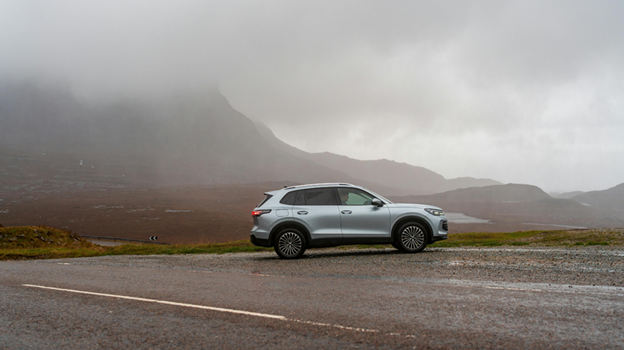

Driving in the mountains is beautiful—but it’s also demanding on your vehicle. Steep grades, tight switchbacks, narrow lanes, and unpredictable weather all put extra stress on your steering system. If something feels “off” with your steering, the stakes are much higher on a mountain road than on a flat city street.
Here are eight steering issues you should never ignore if you regularly drive in the mountains—and what they might be telling you about your SUV.
1. Steering Wheel Vibration at Certain Speeds
If your steering wheel starts to shake or vibrate at specific speeds—often between 50–70 mph—that’s a red flag. While this can sometimes be related to tire balance, it can also indicate problems with steering components like tie rods, ball joints, or even the steering rack.
In the mountains, where you may be descending steep grades at highway speeds, a vibrating steering wheel makes it harder to maintain control and stay in your lane. If you feel consistent shaking that doesn’t go away, it’s time for a professional inspection.
2. Excessive Play or “Looseness” in the Steering
If you turn the steering wheel and there’s a delay before the vehicle responds, or it feels loose and imprecise, you’re dealing with excessive play. This might be due to worn steering linkage, a failing steering rack, or worn suspension components.
On mountain roads with tight turns and steep drop-offs, you need immediate, predictable response from your steering. Loose steering makes it harder to place the vehicle accurately in your lane and react quickly to hazards, like falling rocks or sudden traffic stops.
3. Difficulty Turning the Wheel at Low Speeds
If your steering feels heavy or stiff, especially when parking or making tight turns, it may point to issues with your power steering system. Common causes include:
- Low power steering fluid
- A failing power steering pump
- Belt issues
- Problems with electric power steering (on newer vehicles)
In mountainous areas, you often navigate tight switchbacks, narrow driveways, and steep parking lots. Struggling with a heavy steering wheel isn’t just tiring—it can make precise maneuvering much more difficult when you need it most.
4. Pulling to One Side While Driving Straight
If your vehicle constantly drifts or pulls to one side when you’re driving on a straight road, something is out of alignment—or worse. Causes can include:
- Misaligned wheels
- Uneven tire wear or pressure
- Worn steering or suspension components
On mountain highways without much room for error, a vehicle that pulls can be dangerous. You’ll constantly fight the wheel just to stay centered, which can lead to fatigue and slower reaction time.
5. Clunking or Knocking Noises When Turning
Any clunking, knocking, or popping noises when you turn the wheel—especially at low speeds or over bumps—should be taken seriously. These sounds can indicate:
- Worn tie rod ends
- Failing ball joints
- Damaged steering rack mounts
- Loose or broken suspension components
On bumpy mountain roads, these issues can get worse quickly. A part that’s merely “worn” today can become a real safety problem tomorrow if it breaks or separates while you’re navigating a sharp curve.
6. Steering Wheel Not Returning to Center
After you complete a turn, the steering wheel should naturally return toward the center position. If it stays turned, feels slow to return, or needs extra effort to straighten out, it’s a sign that something is off in the steering or alignment.
This can be caused by:
- Binding in the steering gear
- Alignment issues
- Worn suspension or steering components
In the mountains, where you’re constantly weaving through curves, a wheel that doesn’t self-center properly can make driving feel unpredictable and tiring.
7. Sudden Changes in Steering Feel
If your steering suddenly starts feeling different—heavier, lighter, more sensitive, or less responsive—that’s not something to brush off. Any sudden change can indicate:
- Low or leaking power steering fluid
- Failing power steering pump
- Damage after hitting a pothole or curb
- Internal issues within the steering rack
Because mountain roads can be unforgiving, you don’t want to “wait and see” whether the issue gets worse. A sudden change in steering feel is your SUV’s way of telling you something needs attention now.
8. Warning Lights or Messages Related to Steering
Many modern SUVs have steering-related sensors and systems, especially if they’re equipped with lane-keeping assist, electronic stability control, or electric power steering. If you see a warning light or error message related to steering or stability, don’t ignore it.
These systems are designed to help keep you in control, particularly on slippery or winding mountain roads. If they’re not working correctly, your SUV might not respond as expected when you need extra help maintaining traction or staying in your lane.
Don’t Wait for a Scare on a Mountain Road
Steering issues rarely fix themselves—and they almost always get worse if you ignore them. If you’ve noticed any of the problems above, especially while driving in mountainous areas, it’s time to have your vehicle inspected by a professional who specializes in SUV steering repair.
A thorough steering and suspension check can:
- Identify worn or failing components before they become dangerous
- Improve your vehicle’s stability and responsiveness
- Reduce fatigue on long drives
- Give you peace of mind when the road gets steep, narrow, or twisty
When your steering is tight, predictable, and smooth, every mountain drive feels safer and more enjoyable—for you and everyone riding with you.